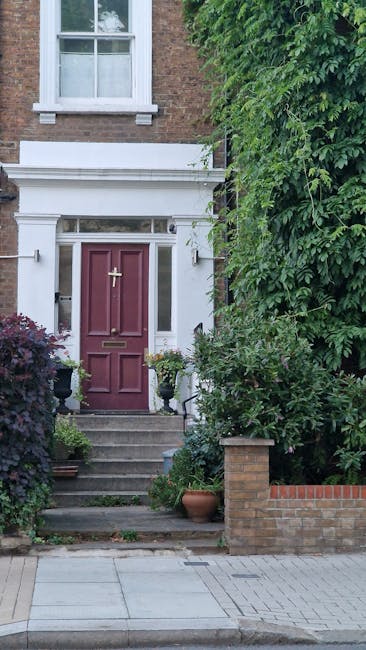
Best gardeners for terrace homes near Mill Hill Broadway station
If you live in a terrace home near Mill Hill Broadway station, you already know the garden can be both a joy and a puzzle. Space is tight, privacy matters, neighbours are close, and the outdoor area often has to work hard all year round. Choosing the best gardeners for terrace homes near Mill Hill Broadway station is not just about keeping things tidy. It is about making a compact space feel greener, calmer, and easier to live with.
In practice, the right gardener understands the quirks of terrace plots: narrow access, shaded corners, overlooked boundaries, small patios, awkward soil, and the need for maintenance that does not turn into a weekly headache. This guide walks through what to look for, how the service works, what good results look like, and how to avoid paying for the wrong kind of help. Let's face it, a tiny garden can swallow time if it is not managed properly.
Whether you want regular maintenance, a one-off tidy-up, a privacy planting plan, or a complete refresh, this article will help you make a sensible choice and know what to ask before anyone starts digging.
Table of Contents
- Why the right gardener matters for terrace homes
- How this service works in real life
- Key benefits and practical advantages
- Who it is for and when it makes sense
- Step-by-step guidance
- Expert tips for better results
- Common mistakes to avoid
- Tools, resources and recommendations
- Law, compliance, standards, or best practice
- Options, methods, or comparison table
- Case study or real-world example
- Practical checklist
- Conclusion
- Frequently asked questions
Why Best gardeners for terrace homes near Mill Hill Broadway station Matters
Terrace homes are different from larger suburban plots. There is less room for error, and every decision tends to show up quickly. A hedge trimmed too hard, a climber planted in the wrong place, or a lawn left neglected for too long can make the whole space feel cramped and tired. The right gardener does more than tidy. They help the garden breathe.
Near Mill Hill Broadway station, many homes sit in busy, lived-in streets where outdoor spaces are visible from above, from the pavement, and sometimes straight through the back windows. That makes privacy planting, neat boundaries, and low-maintenance design especially valuable. A skilled local gardener understands this balance. You want something attractive, yes, but also realistic. Nobody wants a garden that looks great for two weeks and then turns into a full-time job.
There is another reason it matters: access. Terrace properties often have side returns, shared paths, limited storage, and awkward entry points for equipment. A gardener used to these conditions will plan around them instead of treating your garden like a broad open canvas. In our experience, that simple difference saves time, avoids damage, and usually leads to a better result.
Key point: the best gardener for a terrace home is not always the one with the biggest toolkit. It is the one who can make a compact outdoor space feel considered, manageable, and genuinely pleasant to use.
How Best gardeners for terrace homes near Mill Hill Broadway station Works
Good terrace-garden work usually starts with a short assessment. The gardener looks at the layout, light levels, soil condition, drainage, access, boundary issues, and what you actually want from the space. A tiny garden can have a big agenda: somewhere for morning coffee, room for pots, privacy from neighbouring windows, and maybe a small patch of lawn or a bed for pollinators.
The process often includes one or more of these services:
- Routine maintenance such as mowing, pruning, weeding, edging, and seasonal tidy-ups.
- Garden clearance for overgrown, cluttered, or neglected spaces that need a reset.
- Design-led improvement such as planting plans, paving updates, raised beds, or privacy screening.
- Structural help like decking, hard landscaping, or reshaping awkward corners.
- Specialist care for hedges, trees, and awkward boundary growth.
A terrace garden often benefits from phased work. That means the gardener tackles the worst problems first, then moves on to the visual improvements. For example, if a narrow back garden is choked with self-seeded growth, the best approach may be a full clearance first, followed by lawn work or planting later. It sounds obvious, but people often skip that first step and wonder why the garden still feels chaotic.
If you are comparing service options, it helps to look at the wider range of work offered on the services overview, because a terrace garden rarely needs just one thing done in isolation.
Key Benefits and Practical Advantages
The best gardeners bring more than neat borders and clipped hedges. For terrace homes, the real value is in the day-to-day ease of living.
1. Better use of limited space
Small gardens need decisions, not just maintenance. A good gardener will help define clear zones: maybe a seating corner, a planting strip, and a clean path. That sort of structure makes the space feel bigger. Oddly enough, less can look like more here.
2. More privacy without making the garden feel boxed in
Terrace living often comes with overlooked gardens. The right planting can soften sightlines without turning the space into a heavy wall of green. Tall pots, layered shrubs, and carefully placed climbers can all work well if they are chosen with the light and scale in mind. If you want ideas around screening, the article on tall potted plants for privacy is a helpful companion read.
3. Easier ongoing upkeep
In a terrace garden, every extra weed or fallen leaf is more noticeable. Regular maintenance prevents the slow drift into messiness. A tidy half-hour every now and then is far cheaper, and calmer, than a full recovery job every season.
4. Healthier plants and better long-term value
Appropriate pruning, soil improvement, drainage attention, and correct planting choices all reduce plant loss. That matters because small gardens do not have spare room for failed experiments. You usually get one shot at making the layout feel right.
5. A more enjoyable outdoor routine
When the garden is easy to keep, you are more likely to use it. That sounds simple, but it changes how a home feels. A terrace garden can become a morning-coffee spot, a small retreat after work, or a place where the sound of the station fades out for ten quiet minutes. That bit matters more than people admit.
Expert summary: The best terrace-garden gardeners near Mill Hill Broadway station are the ones who combine maintenance skill, practical design sense, and an understanding of compact urban spaces. Good work should make the garden easier to live with, not just better to look at.
Who This Is For and When It Makes Sense
This service suits a lot of people, and not only the "garden enthusiasts" among us. In fact, terrace homes often belong to busy households that need the outdoor space to be low-fuss.
- Homeowners who want the garden to look cared for without spending weekends on it.
- Landlords who need a presentable outside area between tenancies.
- New residents who have inherited an overgrown plot and do not know where to start.
- Families wanting safer, more usable space for children or pets.
- Older residents who want ongoing help with physically demanding tasks.
- People working from home who want a calmer, more attractive view from the kitchen or office window.
It makes sense to hire a gardener when you notice one or more of these signs: the space looks smaller than it should, plants are crowding one another, access is awkward, weeds keep returning, or the garden simply feels like another job on the list. If you are spending more time worrying about it than enjoying it, that is usually the clue.
For bigger clear-outs before a redesign or seasonal reset, a service such as garden clearance can be the right starting point, especially if the garden has got out of hand.
Step-by-Step Guidance
If you want a smooth experience, it helps to think through the project in stages. That way you are not making decisions in a rush, which is how people end up with the wrong plants or a layout that looks good on paper and awkward in person.
Step 1: Define the problem
Ask yourself what the garden needs most. Is it maintenance, privacy, structure, or a complete reset? A terrace garden can have more than one issue, but there is usually a primary one. Start there.
Step 2: Walk the space properly
Look at it in the morning and again later in the day if you can. Light changes a lot in compact urban spaces. A shady back corner at 8am may be much brighter by noon. That affects planting choices, and often people forget it.
Step 3: Decide what stays and what goes
Not everything needs removing. Sometimes a tired bed only needs thinning, reshaping, and a few stronger plants. Other times, the best move is to clear and rebuild. A good gardener will be honest about which is which. You want judgement, not just enthusiasm.
Step 4: Choose the right type of help
If the space needs regular care, a maintenance plan may suit best. If it is overgrown, begin with clearance. If the garden feels dull or awkward, landscape gardening or planting work may be the better route. It is usually sensible to match the service to the actual problem rather than buying a broad package and hoping for the best.
Step 5: Ask practical questions before booking
- How do they handle narrow access or shared pathways?
- Do they offer one-off work, regular visits, or both?
- What happens to green waste?
- Can they advise on low-maintenance planting?
- Do they bring their own tools?
- Are they insured for the kind of work being done?
Step 6: Plan the finish as well as the start
A terrace garden should be easy to maintain after the work is done. The best gardeners think ahead: fewer awkward corners, sensible plant spacing, practical materials, and clear access for future maintenance. That is the difference between a pretty result and a usable one.
Expert Tips for Better Results
These are the small things that make a big difference, and yes, they are the bits people often skip.
Choose scale carefully
What looks elegant in a larger garden can overwhelm a terrace. Oversized shrubs, bulky furniture, and overly dense planting can make a narrow space feel crowded fast. Go lighter, and be a bit ruthless about what earns its place.
Use structure before decoration
Good terrace gardens usually benefit from strong bones: edging, paving lines, beds that make sense, and a clear path through the space. Decoration can come later. Without structure, the garden can drift into visual clutter.
Think vertically
Walls, trellises, and containers are useful where ground space is limited. Vertical planting helps a terrace garden feel layered without taking up precious floor area. Just make sure whatever is fixed to a wall is appropriate for the surface and securely installed.
Prioritise maintenance-friendly choices
Truth be told, a beautiful but high-maintenance garden can become a burden. If you know you are not going to prune every fortnight, choose plants and finishes that do not demand that level of care. Low-maintenance does not mean boring. It means sensible.
Build in seasonal rhythm
A good terrace garden should work in different seasons. That means spring interest, summer shade, autumn structure, and some winter form. Bare soil in January is not the only option, thankfully.
If you need ongoing support rather than a one-off visit, regular garden maintenance can keep everything under control without the garden becoming a monthly emergency.
Common Mistakes to Avoid
It is easy to get terrace gardens wrong because the space is small, which makes every choice feel louder than it should. Here are the mistakes we see most often.
1. Overplanting
People often try to fill every gap straight away. The result is a garden that feels busy, crowded, and harder to maintain. Give plants room to grow. Then let them.
2. Ignoring drainage
Terrace gardens can suffer from pooling water, compacted soil, or poorly draining containers. If the roots sit wet for too long, plants struggle. This is one of those boring details that matters a lot in real life.
3. Choosing style over upkeep
A garden can look lovely in a photo and still be a pain to live with. If you do not enjoy constant pruning or cleaning, avoid layouts that depend on it.
4. Forgetting boundary privacy
Many terrace gardens need screening, but screening should be balanced. Too much and the garden feels shut in. Too little and you never quite relax.
5. Using the wrong contractor for the job
Not every gardener is equally strong at every task. A simple mow-and-tidy visit is different from hedge work, clearance, hard landscaping, or tree work. Pick someone whose experience matches your actual need.
6. Not discussing waste removal
Green waste can mount up quickly. If this is not discussed up front, a tidy-up can become a messy afterthought. Worth clarifying, always.
Tools, Resources and Recommendations
You do not need a shed full of gadgets to keep a terrace garden looking good, but the right equipment and service mix make a noticeable difference.
Useful tools and materials
- Hand tools for precise trimming, deadheading, and weeding in tight spaces.
- Lightweight containers that suit narrow patios or roofed areas.
- Quality compost for improved planting and container health.
- Mulch to reduce weed growth and help retain moisture.
- Trellises and supports for climbers and vertical planting.
- Simple irrigation or watering systems if the space dries out quickly in summer.
Service types worth considering
For a terrace home near Mill Hill Broadway station, the most useful services are often the ones that solve everyday friction: tidy maintenance, hedge shaping, clearance, and practical landscaping. If you want a polished finish, decking can also help define the space and make it more usable. A neat, durable surface changes how the whole garden feels, especially in smaller back gardens.
Relevant service pages such as hedge trimming, lawn mowing, landscaping, and decking services can help you compare the kind of support that fits your space.
Choosing the right local operator
Look for clear communication, sensible pricing, and evidence that the business handles residential gardens like yours. A good local gardener should be able to explain what they will do, what they will not do, and how they will leave the site. If that sounds basic, well, it should be. Basic clarity saves everyone a headache.
To understand pricing expectations and how quotes are usually structured, have a look at pricing and quotes. That is often the most useful starting point before you commit.
Law, Compliance, Standards, or Best Practice
For most terrace-home garden work, the main concern is not complex regulation. It is safe, responsible working and respectful site practice. Still, there are some sensible standards to keep in mind.
Any gardener working on your property should handle equipment safely, manage waste responsibly, and avoid creating avoidable damage to fences, paving, walls, or neighbouring plots. If tree work is involved, especially anything more than light pruning, it is sensible to check whether the task needs specialist handling. Tree work can carry extra risks, and not every job should be treated as routine trimming.
Insurance matters too. That is not dramatic, just practical. If a ladder slips, a slab cracks, or something gets damaged during work, you want the contractor to have appropriate cover. It is reasonable to ask about this before booking, especially if the job includes access over awkward areas or heavier equipment.
Health and safety should also be straightforward. The team should use equipment properly, keep pathways clear where possible, and avoid leaving hazards behind. If you want more detail on how the business approaches this, the pages on health and safety policy and insurance and safety are worth reading. For waste handling and greener choices, the company's recycling and sustainability approach is also relevant.
One more thing: if a garden project affects neighbours in a shared terrace setting, keep noise, access, and tidiness in mind. That is not law in every tiny detail, but it is definitely good practice. And good practice goes a long way in close-knit streets.
Options, Methods, or Comparison Table
Different terrace gardens need different approaches. The table below gives a simple way to compare the most common options.
| Option | Best for | Strengths | Watch-outs |
|---|---|---|---|
| Routine maintenance | Gardens that are already in reasonable shape | Keeps things neat, prevents build-up, easy to budget for | Won't fix deeper layout or planting problems |
| Garden clearance | Overgrown, cluttered, neglected spaces | Fast reset, improves access, reveals the true potential of the garden | May need follow-up work to prevent the same issues returning |
| Landscape gardening | Spaces needing structure, redesign, or stronger visual flow | Transforms awkward gardens, improves layout and usability | Requires more planning and a clearer budget |
| Hedge and boundary work | Terraces where privacy and shape matter | Improves outlook and screening, can instantly neaten the space | Needs the right timing and sensible cutting |
| Decking or hard landscaping | Small spaces needing a cleaner, more usable surface | Creates seating zones and reduces muddy or patchy ground | Should be planned carefully so it does not dominate the garden |
If your terrace garden feels like a long list of small problems, start with the option that fixes the biggest bottleneck. Often that is clearance or maintenance. If the space is structurally awkward, go broader. Simple as that, really.
Case Study or Real-World Example
Picture a typical terrace home near the station: a narrow back garden, a patchy lawn, a couple of tired containers, a hedge spilling over the boundary, and a seating area that barely gets used because the space feels cramped. Nothing dramatic. Just a garden that has quietly got on top of the owner.
The first visit focuses on clearing debris, cutting back overgrowth, and improving access. That alone changes the feel of the space. Suddenly you can see the shape again. The gardener then thins the planting, reshapes the hedge, and suggests a more compact planting scheme with vertical interest rather than wide, sprawling shrubs. A small deck or paved seating zone is added where the ground gets muddy after rain. Not flashy. Just sensible.
A few weeks later, the garden feels calmer. The owner is not fighting it anymore. The plants have room, the path is clear, and there is somewhere to sit with a mug of tea on a bright morning. That is the sort of result that matters most in terrace settings. Not perfection. Usability.
Sometimes the best transformations are the ones that simply make everyday life easier. You notice it when you step outside, hear the faint hum of the road, and realise the space feels like yours again.
Practical Checklist
Before you hire anyone, run through this list. It keeps the conversation clear and saves awkward surprises later.
- Define the main problem: maintenance, clearance, privacy, or redesign.
- Measure or roughly describe access points, width, and any tight corners.
- Decide whether you need a one-off visit or regular visits.
- Ask what waste removal is included.
- Check whether the gardener has experience with terrace homes or compact urban gardens.
- Confirm what equipment they bring and whether they can handle your specific job.
- Discuss your preferred level of upkeep after the work is done.
- Ask about insurance and basic safety practices.
- Be clear on timing, especially if you want work done before guests, letting changes, or a seasonal reset.
- Agree on the finish: tidy, pruned, cleared, planted, or fully redesigned.
Quick reminder: if a quote seems vague, ask for a clearer breakdown. A little clarity up front is far easier than sorting out misunderstandings after the work is done.
Conclusion
Finding the best gardeners for terrace homes near Mill Hill Broadway station is really about choosing practical skill over vague promises. The right gardener will understand compact spaces, respect the quirks of terrace living, and help you shape a garden that is attractive without becoming demanding. That can mean maintenance, clearance, planting advice, hard landscaping, or a mix of all four.
What you want is a garden that feels easier to live with on a rainy Tuesday as well as on a sunny Saturday. That is the real test. If the space works for ordinary life, the rest tends to fall into place.
Get a free quote today and see how much you can save.
And if you are still deciding, that is fine too. Take your time, ask the practical questions, and choose the team that makes the whole thing feel straightforward. A good garden should give you room to breathe.
Frequently Asked Questions
What should I look for in a gardener for a terrace home?
Look for experience with small, urban gardens, clear communication, sensible quoting, and a practical approach to access, privacy, and maintenance. Terrace gardens need judgement as much as labour.
Is garden clearance the same as regular maintenance?
No. Garden clearance is usually a more intensive reset for neglected or overgrown spaces, while maintenance is ongoing care such as mowing, weeding, pruning, and tidying. They solve different problems.
How often should a terrace garden be maintained?
That depends on planting, size, and how tidy you want it to stay. Many terrace gardens benefit from regular visits during the growing season, then lighter checks in quieter months.
Can a small terrace garden still have privacy screening?
Yes, absolutely. Tall pots, climbers, layered planting, and carefully shaped hedges can all help with privacy without making the space feel enclosed. The trick is balance.
What if my terrace garden has poor drainage?
Poor drainage is common in compact gardens, especially where soil is tired or compacted. A good gardener should assess the issue and suggest practical fixes, such as soil improvement, raised planting, or better surface choices.
Do I need landscaping or just gardening?
If the space already works structurally, gardening may be enough. If the layout feels awkward, muddy, crowded, or underused, some landscaping work may be the smarter option.
Can a gardener help with decking in a small garden?
Yes, if they offer that service and it suits the space. Decking can make a terrace garden more usable, but it should be planned carefully so it does not overwhelm the plot.
How do I compare quotes for garden work?
Compare what is included, not just the headline price. Check labour, waste removal, materials, access constraints, and whether the quote covers the full scope of work you actually need.
Are local gardeners better for terrace homes near Mill Hill Broadway station?
Often, yes, because they are more likely to understand local property layouts, access issues, and the kind of compact gardens common in the area. Local familiarity can save time and reduce guesswork.
What should I ask before booking a gardener?
Ask about experience with terrace homes, insurance, waste removal, timing, tools, and whether they recommend a one-off or ongoing service. It is also worth asking what the finished garden will look like in practical terms.
Can I combine maintenance and redesign work?
Yes. In many cases, the best approach is to clear and tidy the garden first, then move on to planting or layout changes. That staged approach usually produces better results than trying to do everything at once.
What is the best first step if my terrace garden is overwhelmed?
Start with a proper assessment and, if needed, clearance. Once the space is visible again, it becomes much easier to decide what to keep, what to change, and what sort of ongoing care it needs.